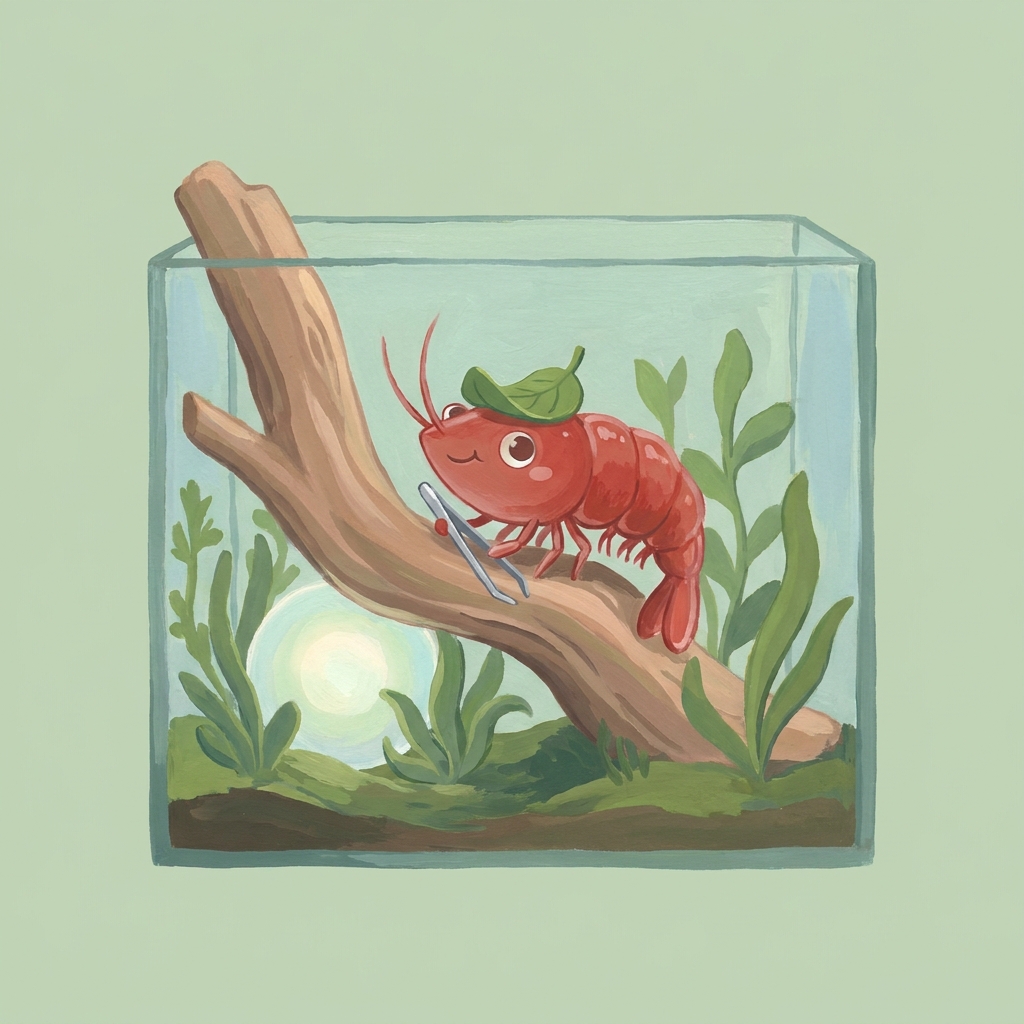
Let’s grow a beautiful underwater jungle together, one tiny leaf at a time! And yes, that includes the little hitchhikers that sometimes arrive with our plants. Bladder snails, ramshorns, and Malaysian trumpet snails can be harmless cleanup crew in small numbers, but when they boom, they start consuming excess food, cluttering the glass, and turning “cozy” into “crowded” fast.
Good news: you can get control without copper treatments that can harm shrimp and other inverts. The secret is to tackle snails from three angles at once: reduce extra food, remove snails and eggs, and use the right predators carefully.
Meet the usual suspects
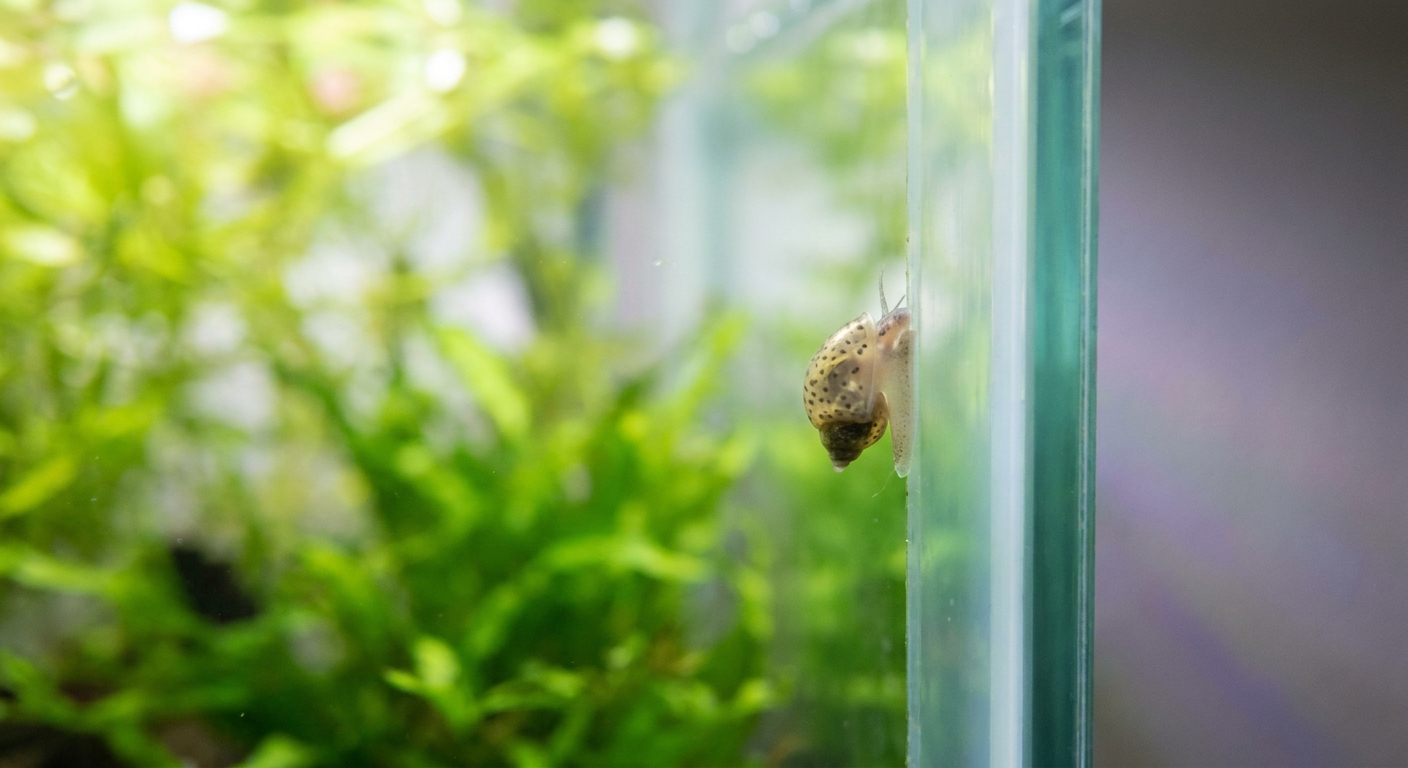
Bladder snails (Physa)
Small, fast, and enthusiastic. They multiply quickly when there is leftover food or soft, decaying plant tissue. They often ride in on new plants.
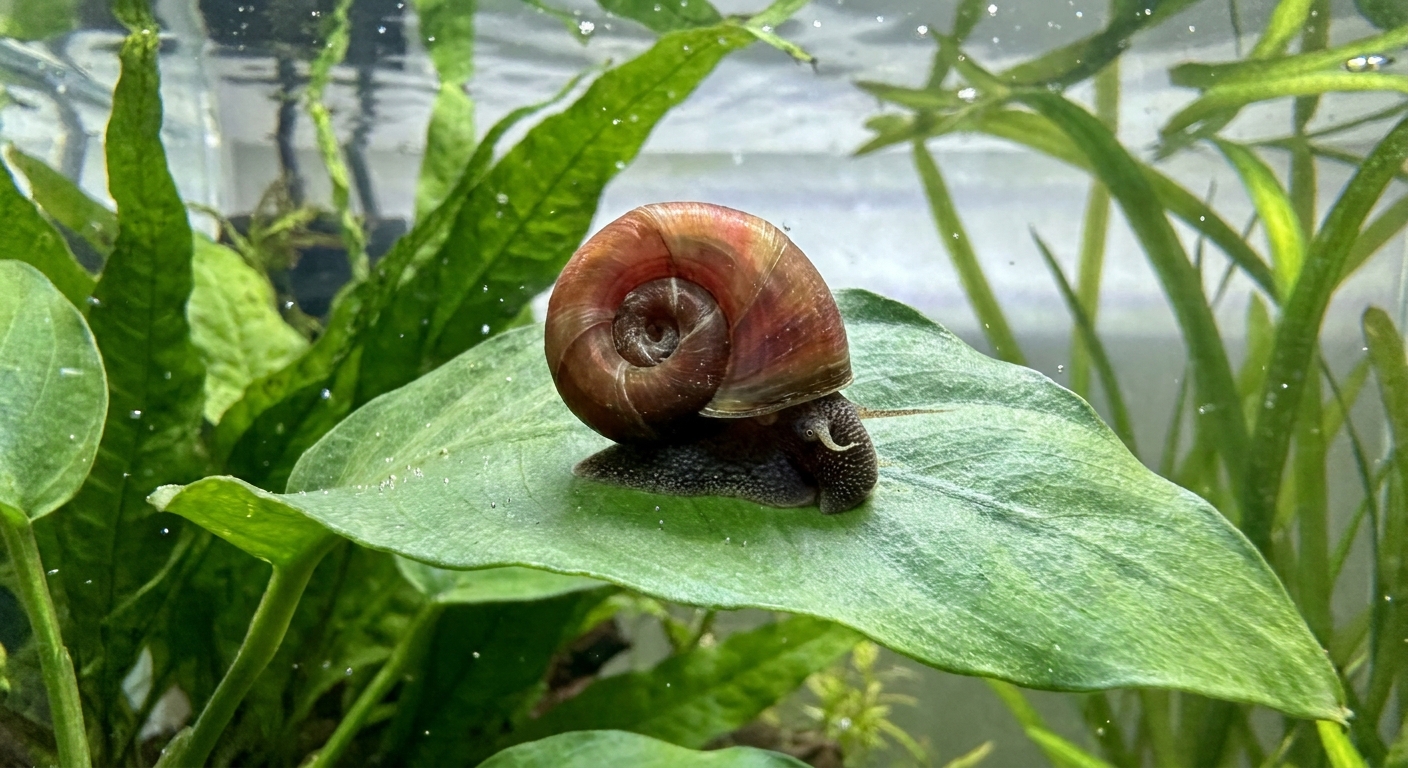
Ramshorn snails
Round, coiled shells and a slightly slower pace. Like bladder snails, they surge when the tank is being overfed or when there is a lot of dying plant matter to graze.
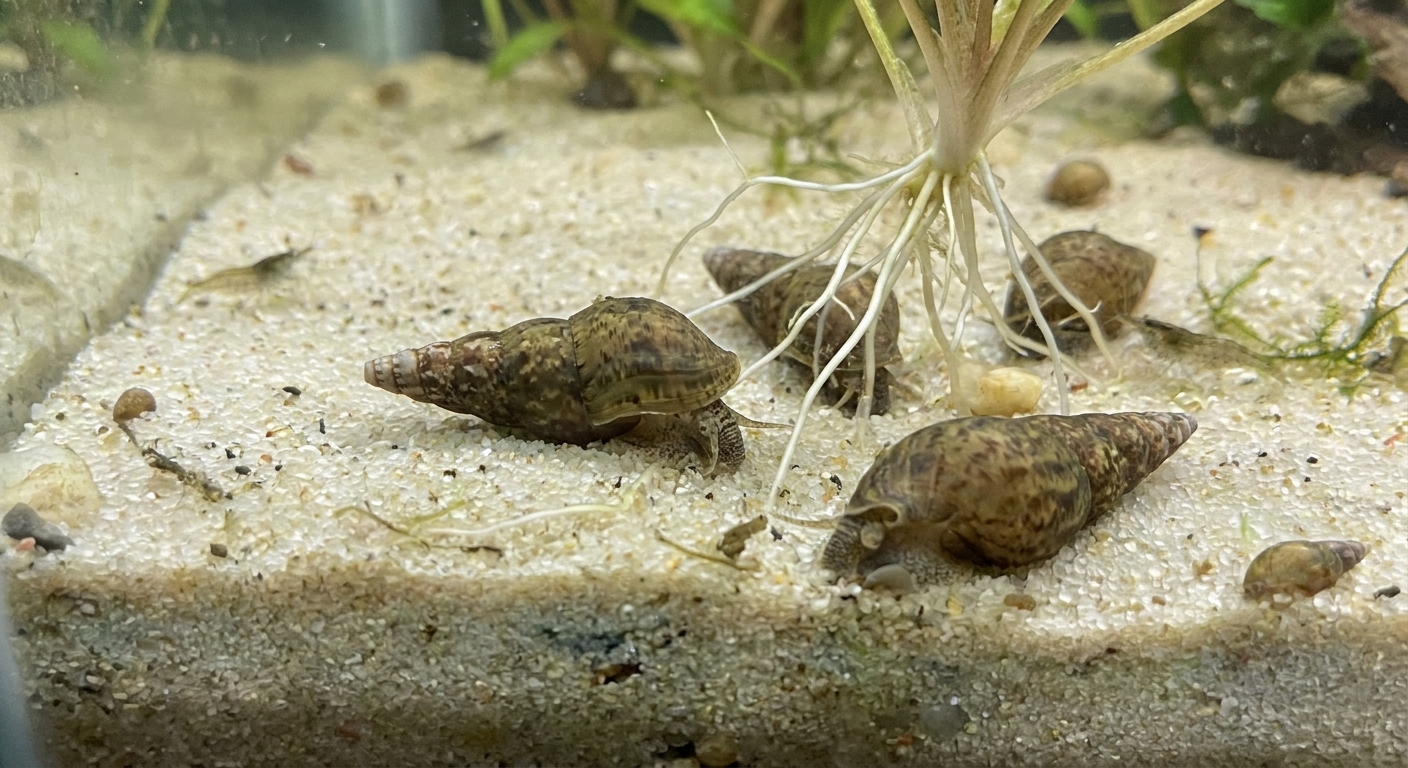
Malaysian trumpet snails (MTS)
Long, cone-shaped shells and a love for the substrate. They burrow and come out more at night. They reproduce readily and can become a “sand volcano” situation when food is abundant. It is usually more cosmetic than dangerous, but it is a loud little sign that the substrate has plenty of edible organics.
Quick reality check: snails are almost never the real problem. Extra nutrients and extra food are the real problem. Snails are just the tiny, visible scoreboard.
First move: stop feeding the boom
If you only trap snails but keep feeding the conditions that created them, they come right back. These steps make every other method work better.
- Tighten feeding: offer a small amount fish finish quickly (often within about a minute), and adjust for your species and feeding style. For shrimp, aim for a small portion that is mostly gone within 1 to 2 hours.
- Remove leftovers: siphon uneaten food and mulm from the easiest-to-reach areas. Even small snack piles behind hardscape can power a population surge.
- Trim decaying leaves: snails swarm soft, melting leaves. Removing melt reduces snail calories and keeps the tank cleaner. If plant melt is happening, see Understanding Cryptocoryne Melt.
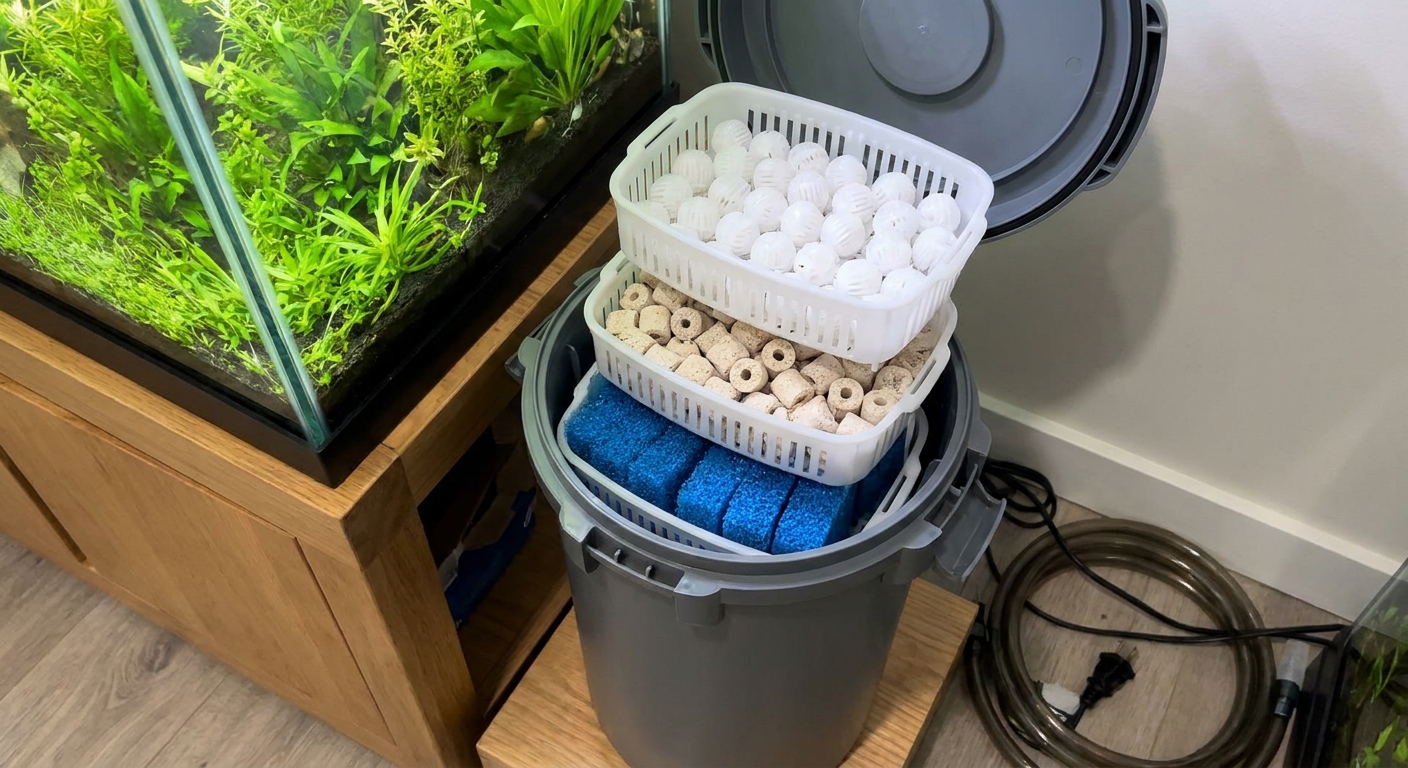
- Clean filter gently: clogged media traps detritus that breaks down into snail fuel. Rinse media in removed tank water when you can. If you must use tap water, avoid chlorinated water or treat it with dechlorinator, and keep temperatures similar.
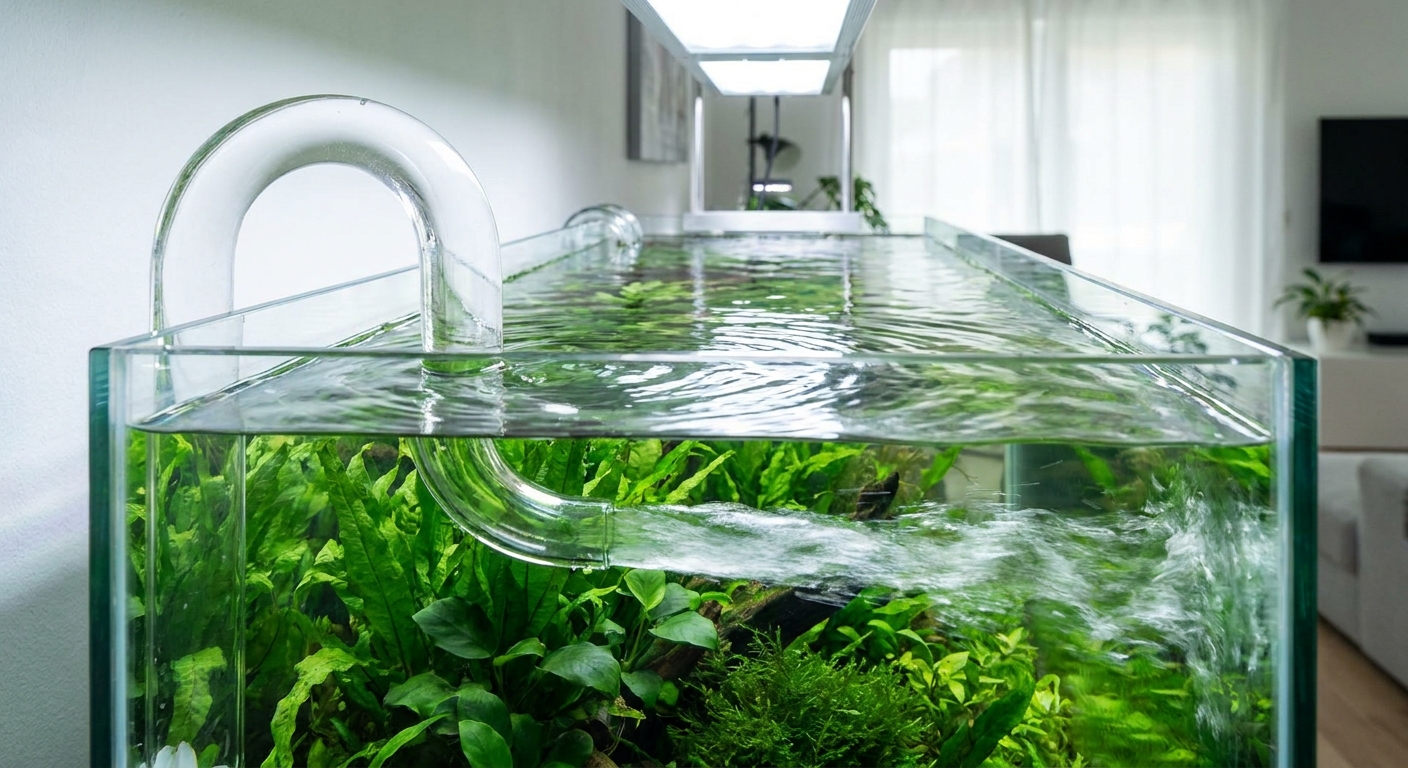
- Balance flow: dead spots collect food and mulm. Good circulation helps debris reach filtration. Water circulation with lily pipes and surface skimmers can help you tune movement without blasting plants.
Manual removal that works
Hand-picking
Simple and surprisingly effective when done consistently for a couple of weeks.
- Pick adults from the glass and hardscape during feeding time when they come out.
- Scrape clusters of clear, jelly-like eggs off glass, leaves, and filter parts.
- Focus on the same spots every time: front glass, feeding area, and any slow-flow corners.
Egg note: bladder and ramshorn snails commonly lay those jelly-like clutches. MTS are often livebearing in aquariums, so scraping egg clutches helps less for them. For MTS, feeding control and targeted siphoning matter more.
Gravel vac, but targeted
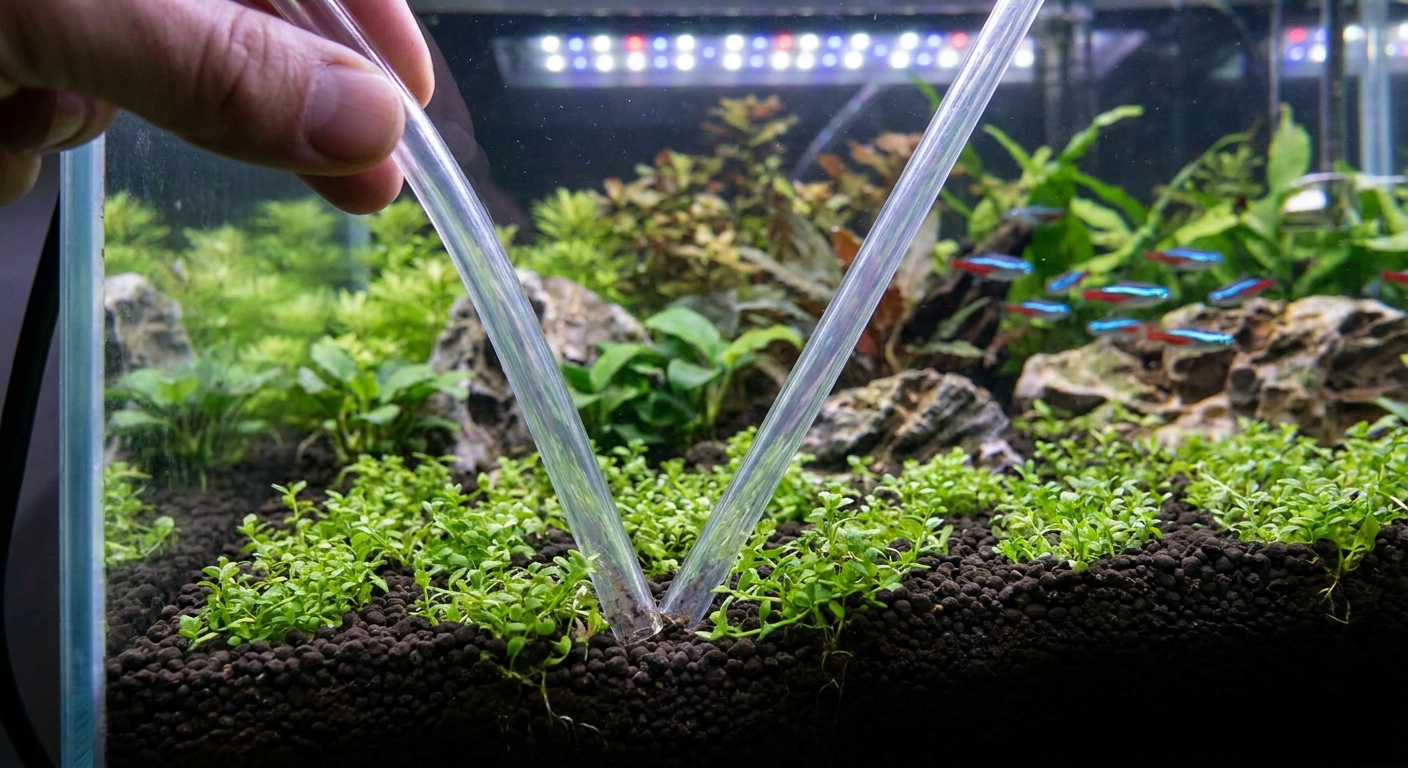
For MTS and baby snails, aim the siphon at:
- Around the base of hardscape where food settles.
- The front 2 to 5 cm of substrate where you can easily control depth.
- Under or beside feeding dishes.
If you are using layered substrates, keep the siphon shallow to avoid pulling lower layers to the top. If you are building or maintaining clean layers, Layer aquasoil and sand without mixing is a helpful approach.
Traps: safe and shrimp-friendly
Traps work best after you reduce feeding. Think of them as a removal tool, not the whole plan.
The classic veggie trap (overnight)
What to use: a slice of zucchini, cucumber, or blanched spinach, plus a fork, plant weight, or small clip to hold it down.
- Blanch the veggie for 30 to 60 seconds so it sinks and softens slightly.
- Drop it in after lights out, near where you see snails most.
- Wait 6 to 10 hours.
- Remove in the morning, lifting slowly so snails stay attached.
- Repeat for several nights in a row for best results.
Shrimp note: shrimp will join the party. That is fine. Just lift slowly and shake shrimp back into the tank before disposing of the snails.
Bottle or jar trap (for heavy outbreaks)
What to use: a small glass jar or clean plastic bottle, bait (veggie or a sinking wafer), and a way to create a narrow entrance.
- Place bait inside the container.
- Create a narrow opening using a bottle neck, a small funnel, or a lid with a small hole.
- Set it on the substrate overnight.
- Remove and empty in the morning.
This method can reduce shrimp bycatch compared to open veggie slices, especially if the entrance is small.
Commercial snail traps
They can work well, but the principle is the same: bait plus a one-way entrance. If you use one, rinse it well between uses so it does not become a constant food source.
Predators: choose thoughtfully
Predators can be effective, but they are living animals with their own needs and personalities. In shrimp tanks, choose extra carefully.
Assassin snails (Anentome helena)
Pros: often effective against bladder and ramshorn snails, and can help reduce numbers steadily.
Cons: they are still snails and they are not a switch you can turn off. They may eat other snails you wanted to keep, and they may scavenge meaty foods meant for shrimp or fish.
Reproduction note: assassin snails reproduce more slowly than most pest snails and need a male and female. They are not self-fertile like many hitchhiker species, but they can still multiply over time if conditions suit them.
Best use: a controlled number for a controlled time, paired with feeding control and trapping.
Snail-eating fish (often not shrimp-safe)
Many popular snail hunters like loaches and puffers are not a good match for shrimp, nano fish, or calm planted layouts. Even if a fish mainly targets snails, it may snack on shrimp, shrimp babies, or stressed tankmates.
Best use: only in fish-only planted setups where livestock compatibility is already confirmed, and where you can feed appropriately after the snail population drops.
What about letting snails handle algae?
Snails do graze biofilm and soft algae, but a large pest population usually means the tank is producing more food than the current cleanup crew can process. For algae control, focus on fundamentals like plant health, lighting, and flow. If algae is part of the story, How to get rid of black beard algae (BBA) is a good place to start.
Prevention: keep hitchhikers out
The easiest snail outbreak to control is the one that never starts. A few small habits make a big difference.
Inspect and rinse new plants
- Check undersides of leaves, tight crown areas, and moss clumps.
- Rinse thoroughly in dechlorinated water and manually remove any eggs you see.
Plant dips (optional, use caution)
Some aquarists use plant dips to reduce hitchhikers, but dips can also damage sensitive plants, especially mosses, fine-leaved stems, and already-stressed growers. If you choose to dip, follow a proven method carefully, rinse well afterward, and consider testing on a small cutting first. For many planted tanks, a good rinse plus quarantine is the gentler, lower-risk route.
Consider tissue culture for snail-free starts
Tissue culture plants are grown in sealed containers and are typically free of snails and snail eggs. They still need a rinse and transition period, but they are one of the cleanest ways to plant a new aquascape. See Tissue culture vs potted aquarium plants for what to expect.
Quarantine plants when possible
A simple plant-only container with light and a little fertilizer lets you spot hitchhikers before they reach your display. Even a short quarantine makes it easier to remove eggs and keep numbers low.
Avoid copper-based snail killers
Copper treatments and many “snail remover” medications can be dangerous for shrimp and other invertebrates. They can also be difficult to fully remove from a tank once used, especially if they bind to surfaces or soak into porous media. In planted aquariums, it is safer to manage snails with feeding control, traps, manual removal, and careful predator choices.
Two-week control plan
If the tank feels overrun, this simple schedule helps you make fast progress without shocking the ecosystem.
Days 1 to 3
- Reduce feeding to the minimum that keeps livestock healthy.
- Hand-pick adults and scrape egg clutches daily.
- Run a veggie trap overnight each night and remove it in the morning.
Days 4 to 10
- Continue traps every other night.
- Siphon detritus from feeding areas and dead spots during a normal water change.
- Trim melting leaves and remove loose debris from hardscape.
Days 11 to 14
- Trap once or twice more.
- Evaluate: if snails keep exploding, look for hidden food sources such as overfeeding, a decomposing plant mass, or a clogged filter.
Goal: not zero snails. In many planted tanks, a small, stable population is perfectly fine. The goal is to stop the boom and keep the tank tidy.
Common questions
Are pest snails bad for plants?
Most bladder and ramshorn snails prefer soft, dying plant material and algae films. They usually do not eat healthy, firm leaves. If you see leaf damage, check for nutrient issues, melting, or other causes first.
Why did I suddenly get hundreds of baby snails?
Almost always: extra food. That can be obvious overfeeding, but it can also be hidden, like a pile of decaying leaves, excess mulm in low-flow zones, or a heavy feeding dish routine that leaves crumbs behind.
Do Malaysian trumpet snails mean my substrate is unhealthy?
Not necessarily. MTS can help stir the top layer of substrate, but a huge population often points to high available food in the substrate. Targeted siphoning and feeding reduction usually bring them down.
Can I crush snails for fish food?
Some fish will eat crushed snails, but avoid making it a daily habit that adds more nutrients than you remove. If you do it, do it sparingly and keep the big goal in mind: reducing excess inputs.
Gentle control works
Snails love what we love: rich food, soft surfaces, and cozy hiding spots. Keep the tank clean, keep feeding precise, and use traps or carefully chosen predators as helpers, not as a shortcut. I’m cheering you on as you bring your tank back to that calm, leafy balance.
If you want more steady maintenance wins, visit Maintenance & Troubleshooting for more planted tank guides.