Let's grow a beautiful underwater jungle together, one tiny leaf at a time! If you're chasing those juicy reds, sunset oranges, and cotton-candy pinks in aquarium plants, the secret is not one magic bottle. It's a balance: strong light, steady micronutrients (especially iron), and carefully controlled nitrogen so the plant has a reason to show off its pigments.
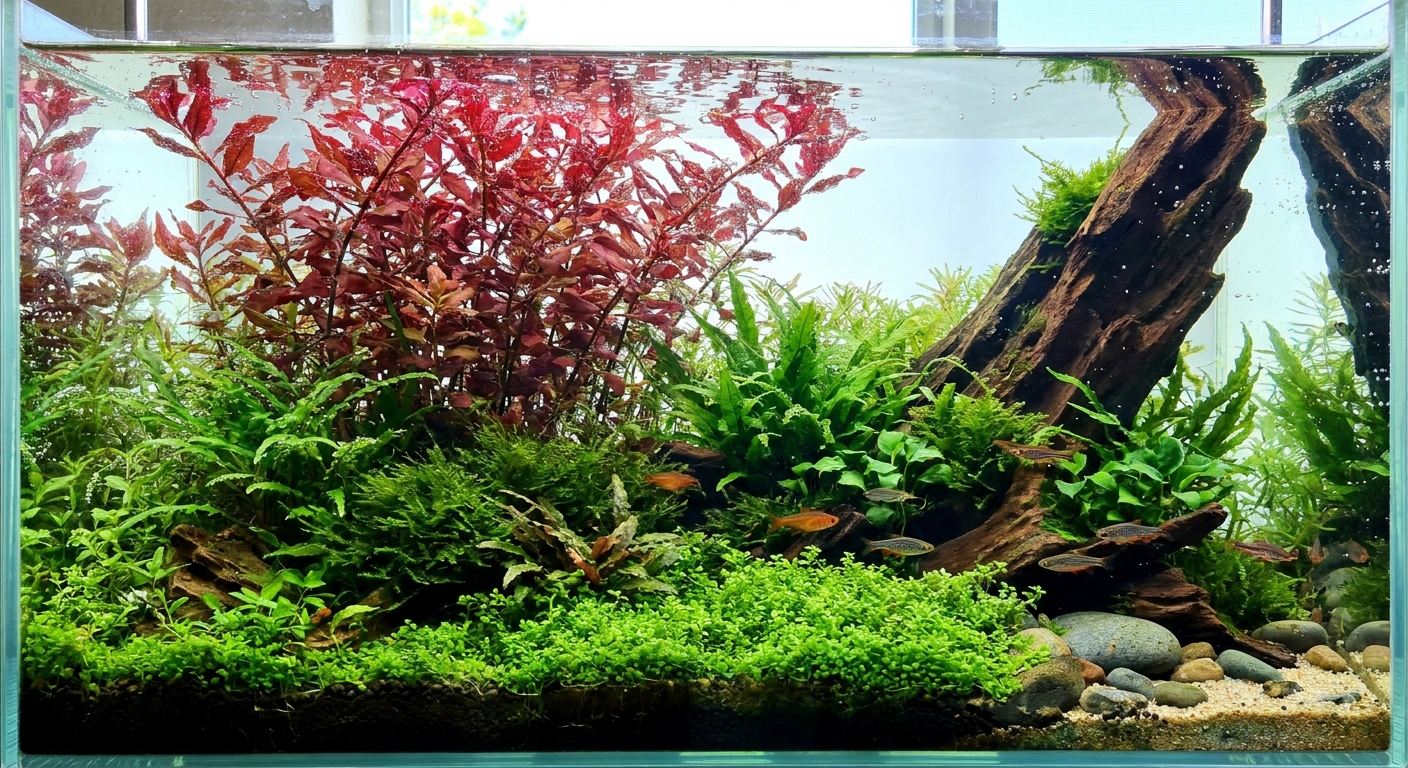
What makes plants turn red
Most popular red aquarium plants are naturally capable of producing extra pigments (anthocyanins and carotenoids). These pigments act like a light shield and a stress response. Under strong light and leaner nutrition, many plants increase these pigments and often hold less chlorophyll, which can make reds look deeper and greens look less dominant.
- High light is the main trigger. More light often means more need for protective pigments.
- Enough iron and trace micros keep new growth healthy and let color look clean, not dull or blotchy.
- Leaner nitrate availability can deepen reds in many common stems, but it is not universal. Some species color best with adequate NO3 plus high light and stable CO2.
One important shrimp-sized truth: red plants still need nitrogen. The goal is lean nitrates, not zero.
Choose plants that go red
Some plants will never turn truly red no matter how perfect the setup is. Start with species that reliably color up in aquariums.
Reliable red and orange stems
- Ludwigia palustris (often one of the easiest deep reds)
- Ludwigia repens (red-brown to orange-red, depends on light and nitrates)
- Rotala rotundifolia (pink to red tips under strong light)
- Rotala H'ra (more consistently orange-red)
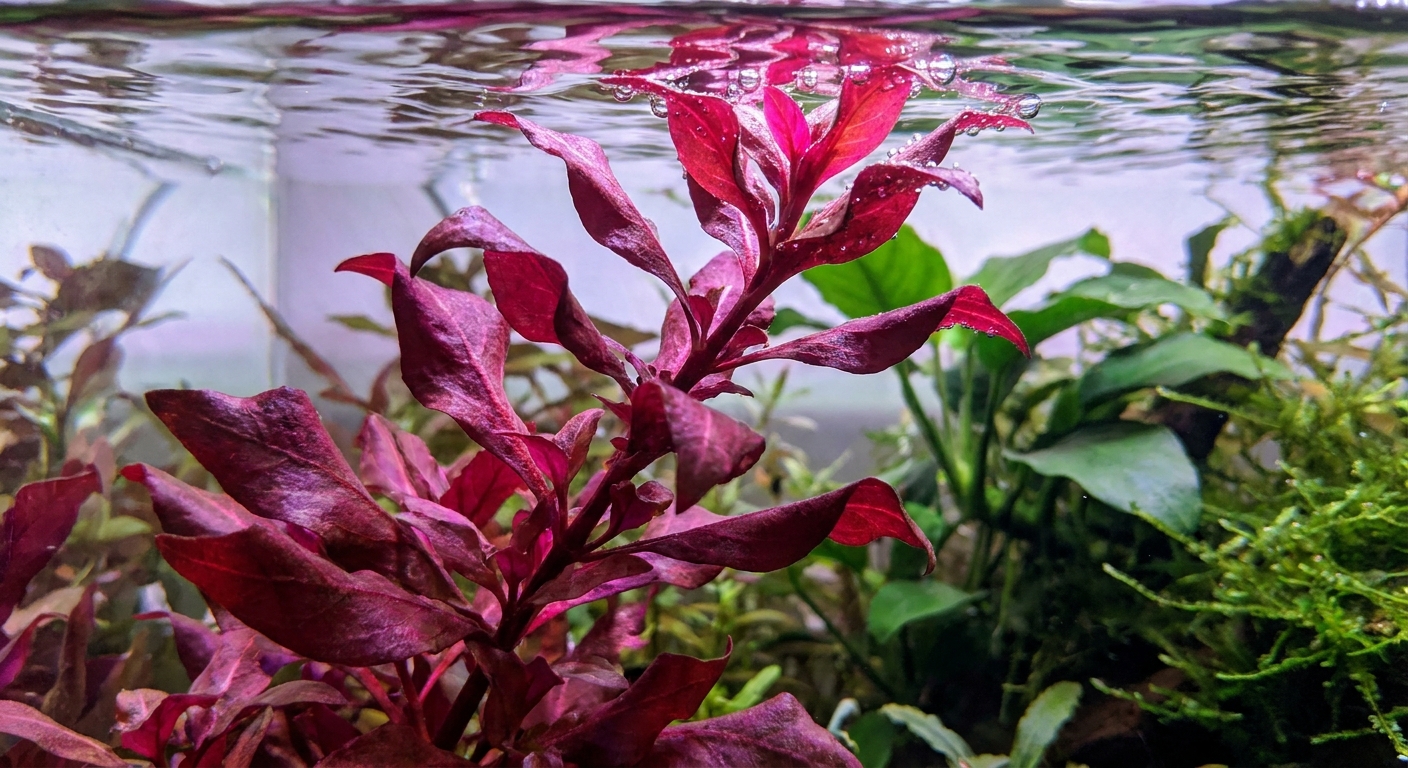
- Alternanthera reineckii (AR, bold red leaves, higher demand)
Rosette plants with dramatic color
- Tiger lotus (Nymphaea zenkeri) (red varieties can get intense with good light)
- Cryptocoryne wendtii 'red' (more bronze to reddish, slower but steady)
If you want color with fewer tantrums, many aquascapers treat red stems as the main color engine, then let green plants carry mass and texture. For layout ideas that make red plants pop, visit Aquascaping Design.
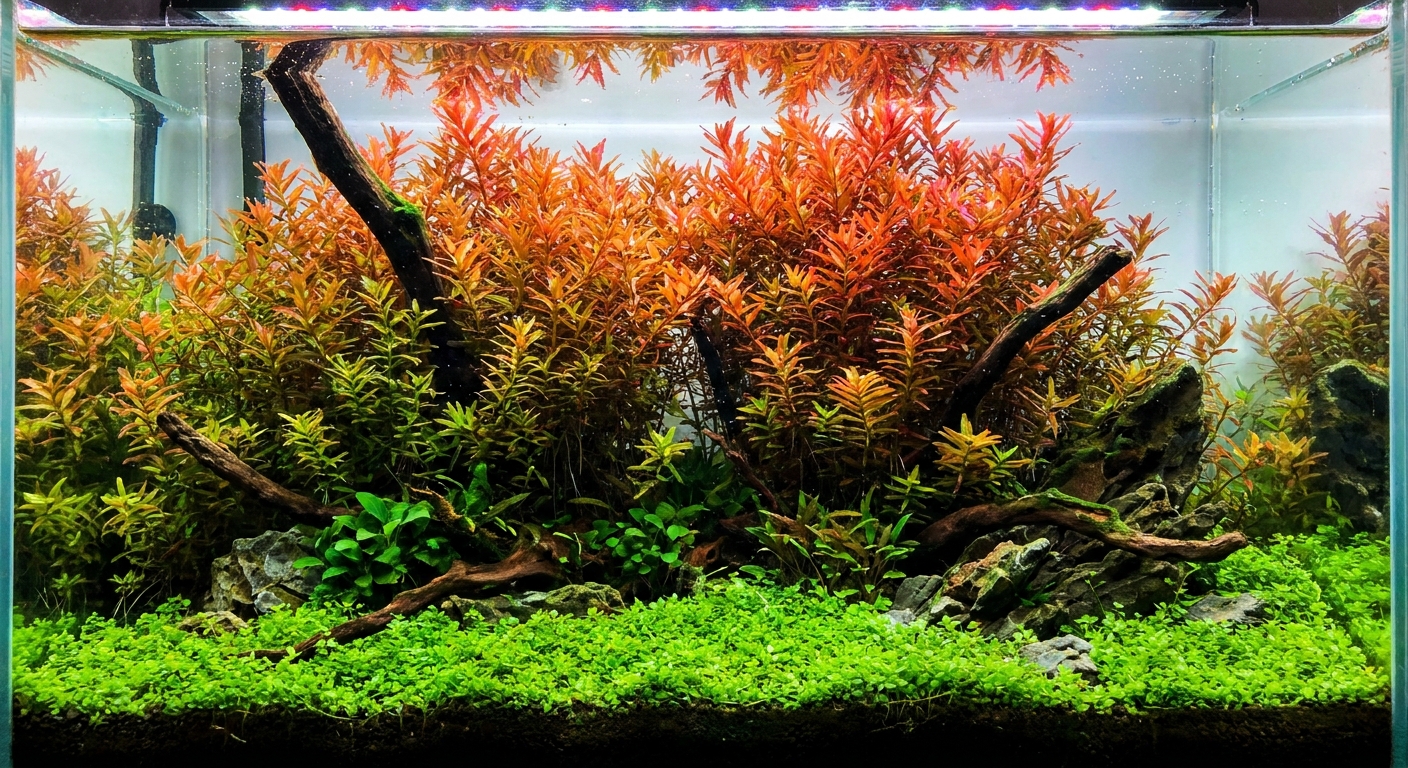
Light: the color switch
If your reds look brownish or stay green, lighting is usually the missing lever. Red plants need higher intensity than most green plants, and they color strongest near the brightest zone, typically the top third of the tank.
What to aim for
- Photoperiod: start at 6 to 7 hours if you are increasing intensity. Extend to 7 to 8 only when algae stays calm.
- Intensity: increase gradually. Jumping straight to maximum often creates algae before it creates color.
- Placement: keep red stems closer to the light and avoid heavy shading from floaters or tall hardscape.
Raise light without inviting algae
- Increase brightness by a small step (or lower the fixture a bit closer to the water) and hold for 7 to 10 days.
- Watch for algae first. If algae blooms, step back and improve CO2 or nutrient stability before pushing again.
- Trim and replant tops so the healthiest, brightest growth stays near the surface.
Many hobbyists fixate on spectrum and red LEDs. In most modern planted-tank fixtures, intensity and stability matter more than chasing a specific spectrum. If the plants get strong, consistent light and the tank stays balanced, color usually follows.
If you run a low-tech tank without CO2, strong light can outpace carbon supply and invite algae. In that case, use moderate light and lean into plant choice and careful nutrients. This approach is covered in Low-Tech Planted Tank Design Without CO2.
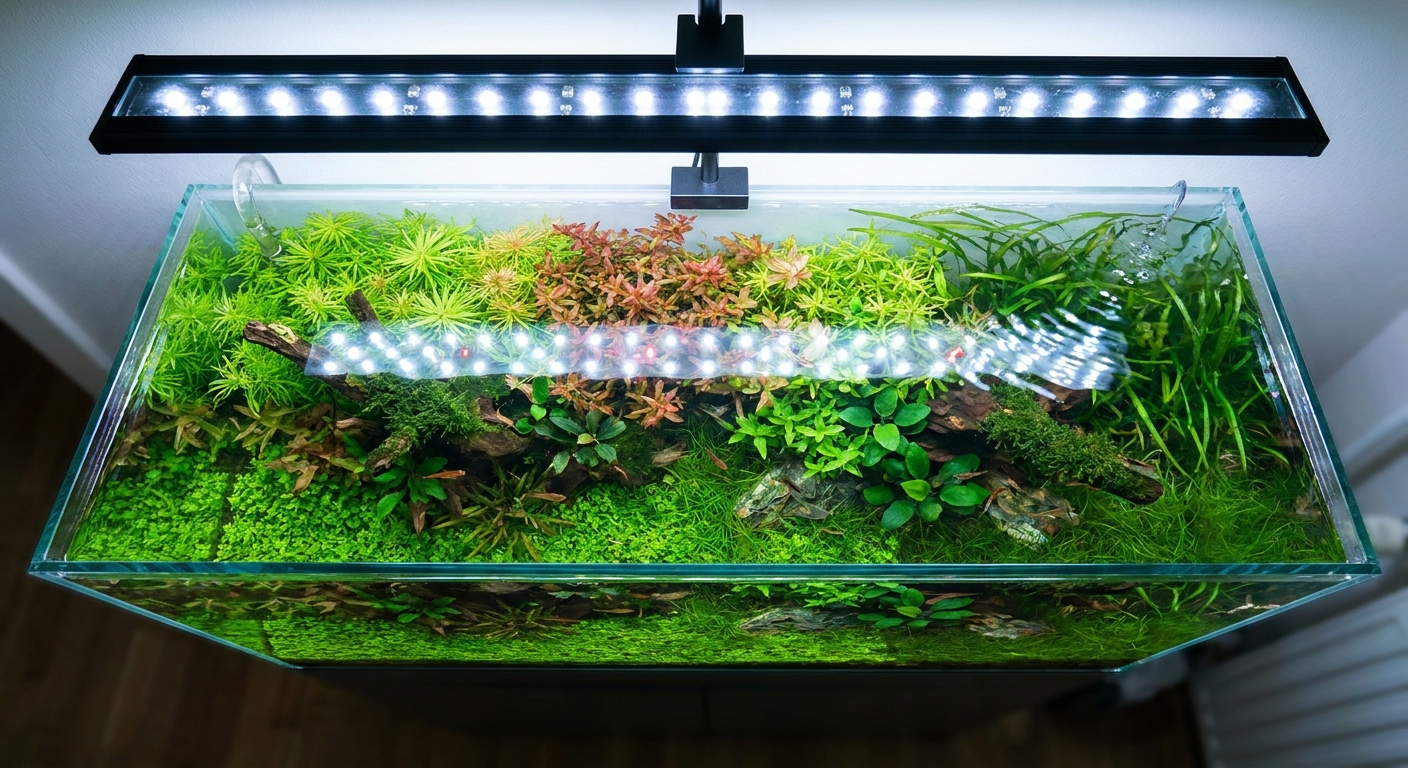
Iron and micros: clean color
Iron does not magically paint leaves red, but it strongly affects how healthy and saturated your plant colors look. When iron or trace elements are inconsistent, red plants can show pale tips, slowed or awkward new growth, and overall washed-out color. Keep in mind that similar symptoms can also come from other issues (like calcium, boron, or general nutrient imbalance), so treat this as a clue, not a verdict.
Practical dosing targets
- Keep iron consistent. Small daily or every-other-day dosing is often steadier than a big weekly spike.
- Rough water column guideline: many planted tanks run well around 0.05 to 0.2 ppm Fe, but this depends heavily on chelation, dosing style, and plant mass.
- Do not worship the test kit. Many iron tests are shaky at best. Use plant response and routine consistency as your compass.
- Use a complete micro mix. Red plants need more than iron. Manganese and other traces matter for healthy new growth.
Two common iron mistakes
- Overdosing to chase color. Excess micros can stress livestock and can coincide with algae. Color usually improves more from light and nitrate balance than from pushing iron higher and higher.
- Dosing iron but running out of macronutrients. If nitrogen, phosphorus, or potassium are deficient, plants cannot use the micros effectively.
If you are troubleshooting stunting, melting, or algae while adjusting nutrients, the step-by-step mindset in Maintenance & Troubleshooting fits perfectly with the color-chasing process.
Nitrates: a useful color dial
Nitrate control is where many red-plant setups either glow or wobble. In general, higher nitrates tend to keep plants greener and growing fast. Leaner nitrates often allow reds to intensify, especially at the tips under strong light. This effect varies by species and setup, so think of it as a dial you fine-tune, not a rule you follow blindly.
Common starting ranges
- CO2-injected, high light: often 5 to 15 ppm NO3 can support growth while still encouraging color.
- Low-tech or no CO2: often 5 to 10 ppm NO3 is a calmer zone. Too low can stall plants and invite algae.
These are starting points, not laws. Stocking, feeding, plant mass, and CO2 stability all matter.
Lower nitrates without starving plants
- Reduce nitrate dosing slowly instead of cutting it to zero overnight.
- Feed fish normally and let the tank's biology provide some nitrogen, then supplement only as needed.
- Keep other macros steady. Chasing lean NO3 does not mean starving potassium or phosphorus. In many tanks, stable PO4 actually helps plants stay strong while you tune color.
- Increase plant mass with fast growers so the system becomes more stable and less swingy.
- Use regular water changes to reset excess nutrients if your tank runs high nitrate from stocking or feeding.
Watch the plant, not just the test kit
- Good lean-nitrate sign: steady growth, smaller tighter internodes, richer tip color.
- Too low sign: yellowing older leaves, stalled growth, transparent patches, plants dropping leaves.
CO2 and stability
Many of the most dramatic reds show up in tanks with CO2 injection, because high light and fast growth dramatically increase carbon demand. Without enough carbon, plants struggle to process all that light energy and algae can take advantage.
- If you run CO2: prioritize stable CO2 during the entire photoperiod, with good circulation so CO2 reaches the whole plant group.
- If you do not run CO2: keep light moderate, keep nitrates steady, and choose red plants known to color in lower-tech setups (many Ludwigia and Rotala types still blush nicely).
Go slowly with changes. Big jumps in light, CO2, or fertilization can stress fish and shrimp even when plants look thrilled. Small steps and steady observation win.
For a broader planted tank equipment overview, browse Equipment & Setup.
A simple routine
Here is a practical, low-drama path that keeps your tank stable while you nudge color.
- Start with healthy growth first. Make sure plants are growing new leaves without deformities or melt.
- Set light to 6 to 7 hours. Increase intensity gradually over weeks, not days.
- Keep nitrates lean but present. Aim for a stable range like 5 to 15 ppm depending on your setup.
- Keep macros complete. Make sure nitrogen, phosphorus, and potassium are available so plants can actually use the light and micros.
- Dose a complete micro fertilizer consistently. Add iron as part of that routine, not as random big spikes.
- Trim and replant tops. The reddest growth is usually the newest growth closest to the light.
- Adjust one variable at a time. Give each change at least a week to show results.
Why they're not turning red
They stay green
- Most likely: light intensity is too low, the plant is shaded, or nitrates are kept very high for fast green growth.
- Try: move the plant higher, thin out floaters, shorten photoperiod while raising intensity gradually.
They are red but weak and leggy
- Most likely: not enough overall nutrition or unstable CO2, so the plant stretches to reach better conditions.
- Try: stabilize CO2, ensure macros (NPK) are present, trim and replant tops to reset structure.
They turn pale pink or yellow at the tips
- Most likely: inconsistent micros, nitrates pushed too low, or another nutrient imbalance affecting new growth.
- Try: improve micro consistency, confirm nitrate is not bottoming out, and avoid making multiple big changes at once.
Algae appears when you chase reds
- Most likely: light increased faster than plant growth and carbon supply.
- Try: reduce light a step, keep nutrients stable, and correct CO2 or circulation before pushing light again.
Color placement tips
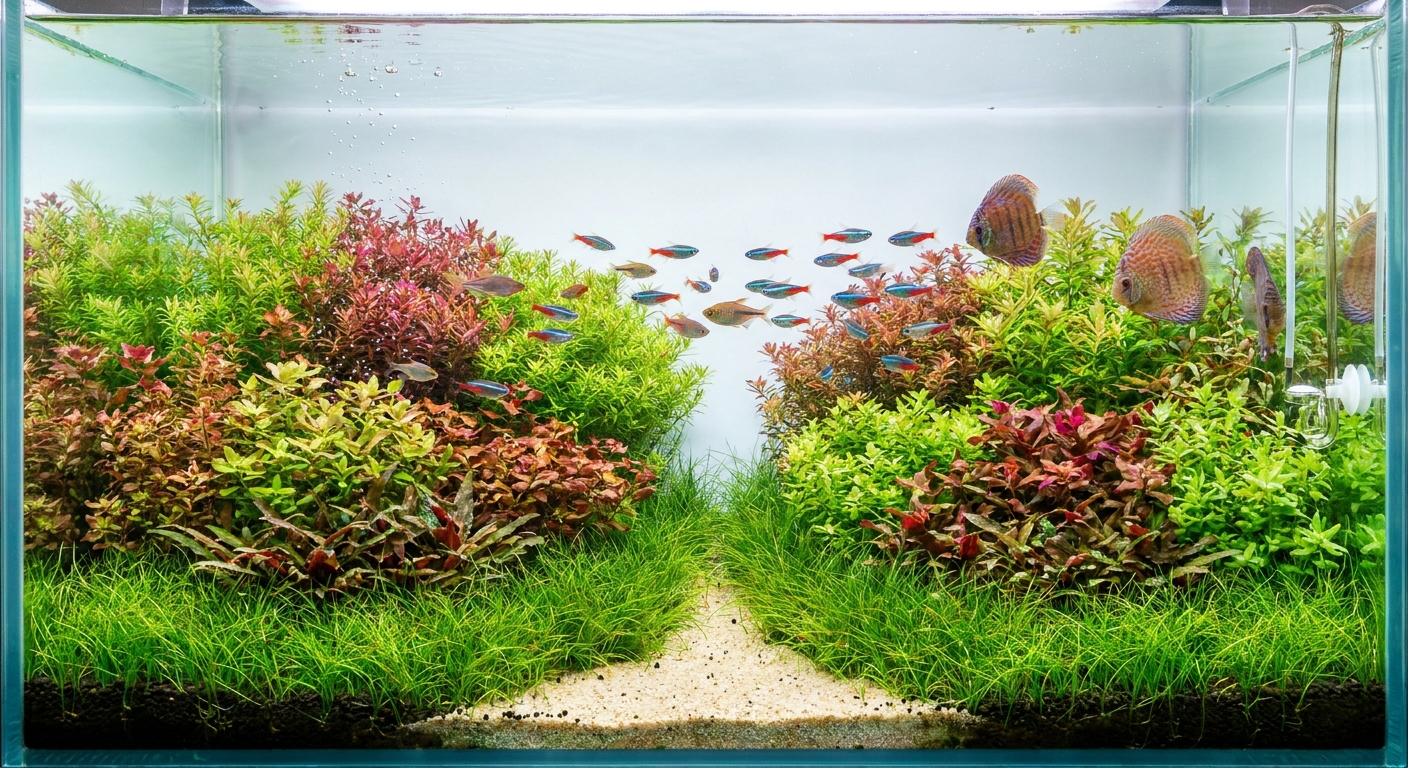
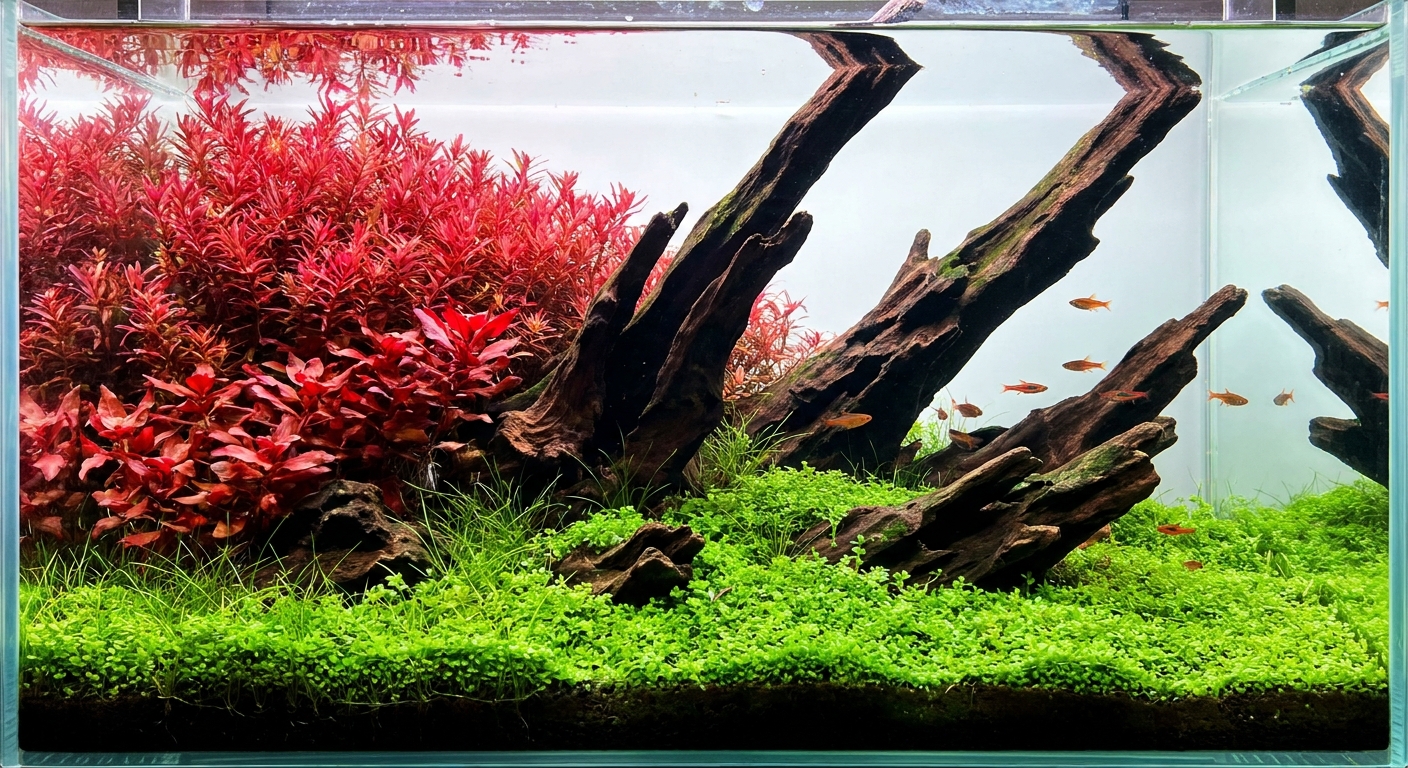
Red is powerful in a layout. A little goes a long way, especially against fine-textured green plants.
- Use red as a focal accent near a rule-of-thirds or golden ratio point. Helpful reading: Golden Ratio Focal Points in Aquascaping.
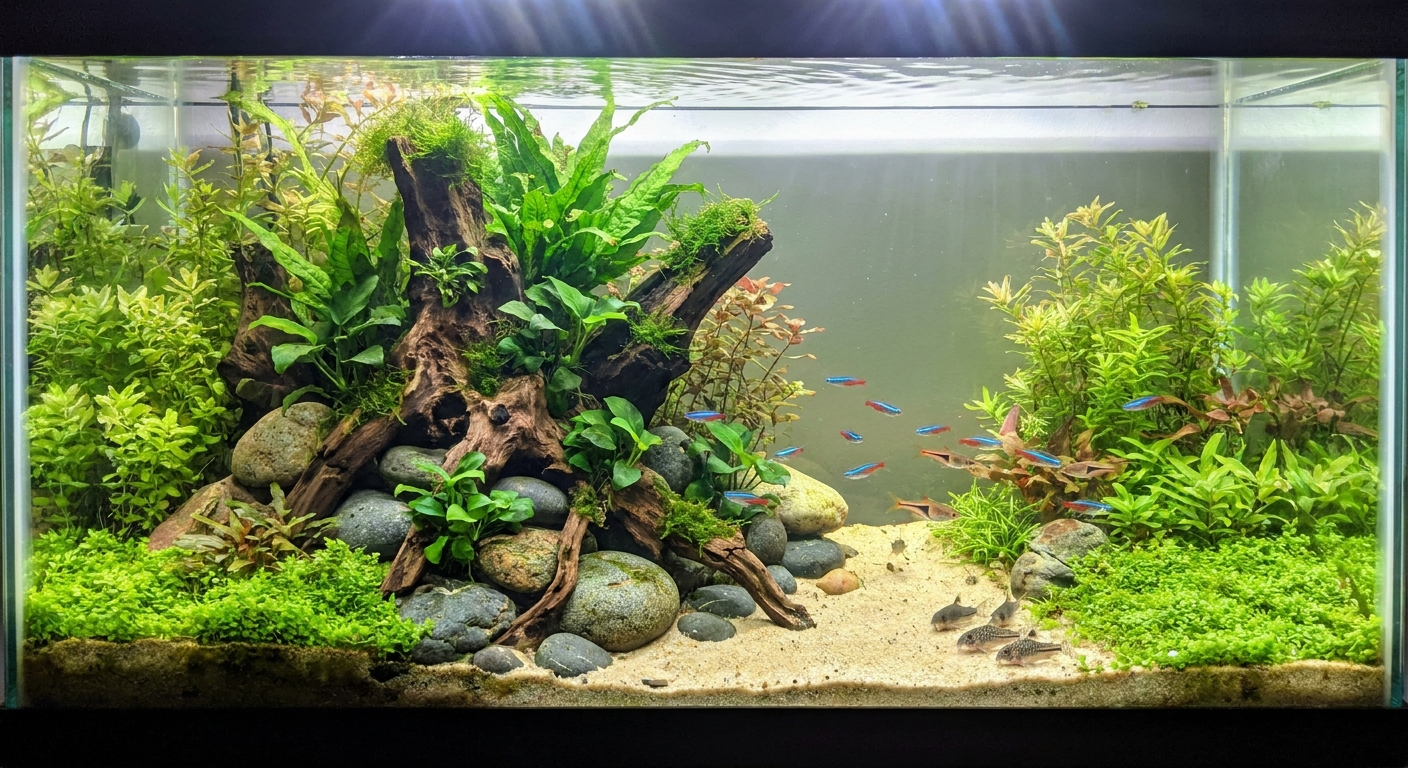
- Keep the densest red near the surface and fade it into oranges and greens lower down for natural depth.
- Group stems tightly so the red reads as a bold color block instead of scattered dots.
FAQ
Does iron alone make aquarium plants red?
Iron helps plants grow healthy and display cleaner color, but light is the main trigger for red pigmentation. Iron supports the process, it does not replace the need for intensity and good overall nutrition.
Should nitrates be zero for the best reds?
No. Zero nitrate is a common way to stall plants and invite instability. Lean nitrates can deepen color, but plants still need nitrogen to grow.
Why are only the tops red?
That is normal. The tops receive the strongest light. Trimming and replanting tops keeps the reddest growth where you want it and prevents the group from turning into a tall green base with red only at the surface.
Can red plants work in a low-tech tank?
Yes, especially certain Ludwigia and Rotala types. Expect softer reds and pinks rather than the most intense show colors. Keep light moderate, avoid swinging nutrients, and be patient with steady trimming.
A final antenna wave
Think of red coloration like tuning a tiny underwater sunset. Turn up light carefully, keep iron and micros steady, and keep nitrates lean but never empty. With stable routines and gentle changes, those red tips usually show up right where the light kisses the leaves.
If you want more plant-focused guides, swim over to Aquatic Plants for more leafy adventures.