Let’s grow a beautiful underwater jungle together, one tiny leaf at a time!
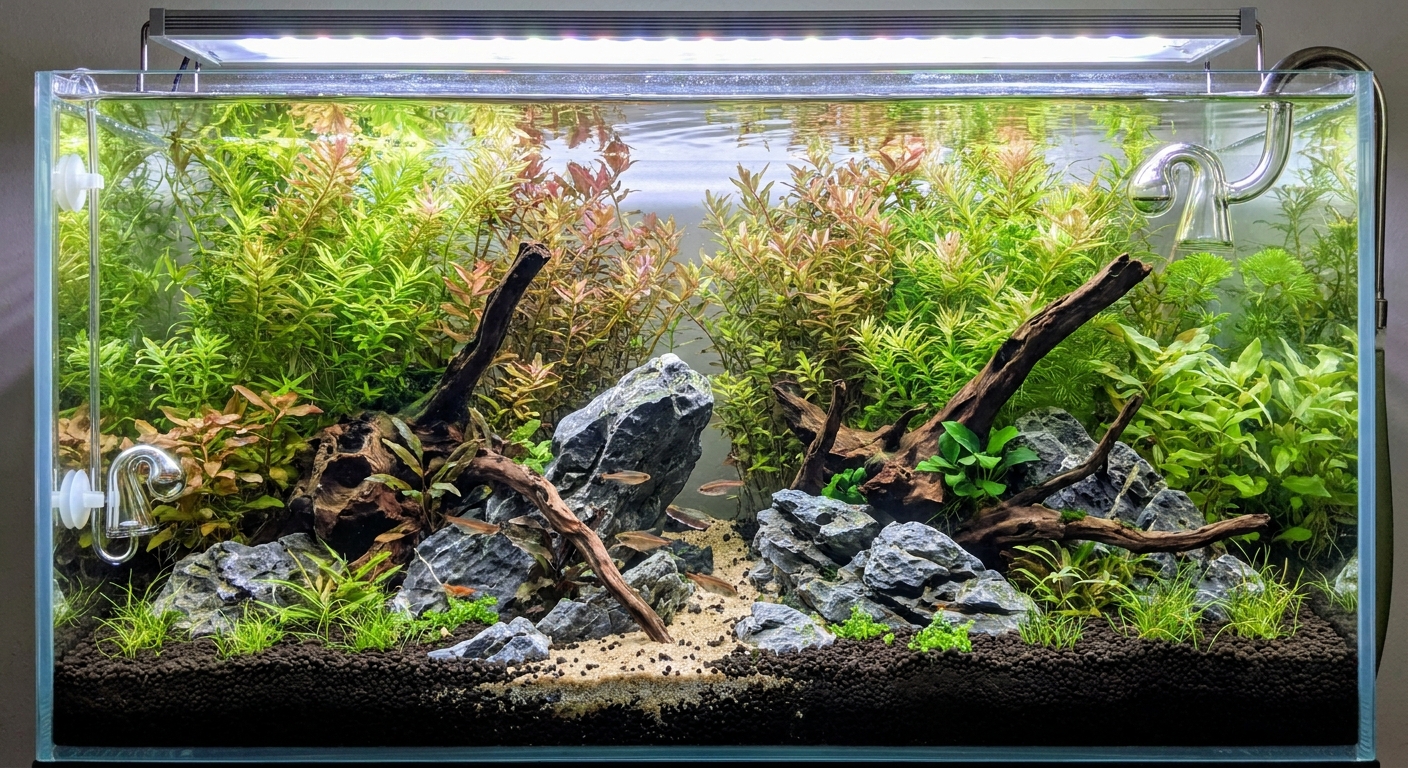
New aquariums can feel a little “awkward” at first. Your surfaces and filter media are still being colonized by beneficial bacteria, water chemistry is still settling in, and algae is thrilled to grab any extra ammonia, light, and nutrients it can find. One of the gentlest ways to tip the balance toward plants is simple: add fast-growing, nutrient-hungry stems early, then trim and replant as they take off.
Why fast stems help during cycling
Fast-growing stem plants can help in three big ways:
- Nutrient uptake: They often reduce the amount of nitrogen and other nutrients sitting in the water column, which can leave less fuel for algae.
- Shade and surface area: Bushy growth softens intense light and creates habitat for biofilm and microfauna.
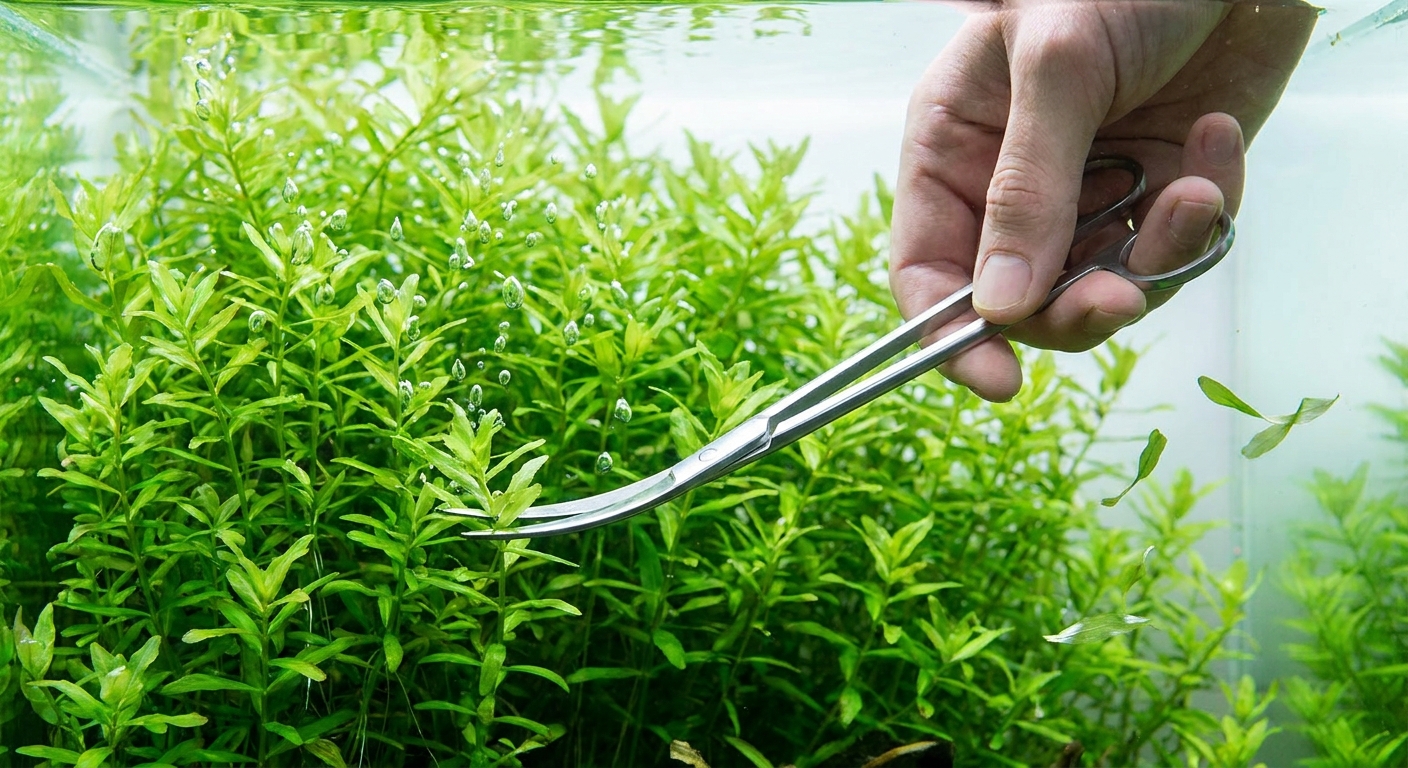
- Trim pressure: Every trim physically exports nutrients as you remove plant mass.
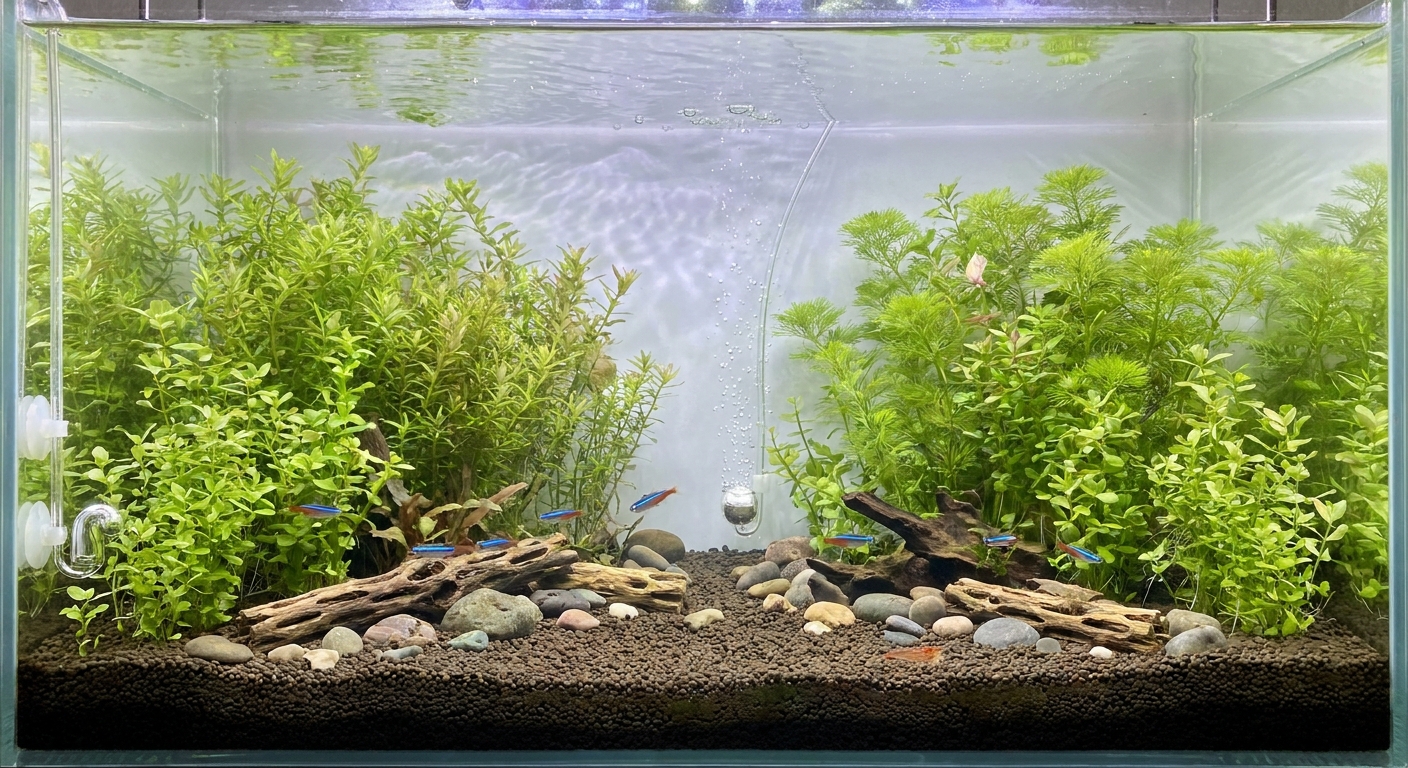
If you want to get even more mileage out of this strategy, plant heavily from day one. A lightly planted new tank commonly has a longer, messier algae phase than a densely planted one.
One important note: plants can make the early weeks smoother, but they do not replace proper cycling and testing. If you are adding livestock, take it slow and make sure your tank is actually processing ammonia and nitrite safely.
Best fast-growing stem plants for new tanks
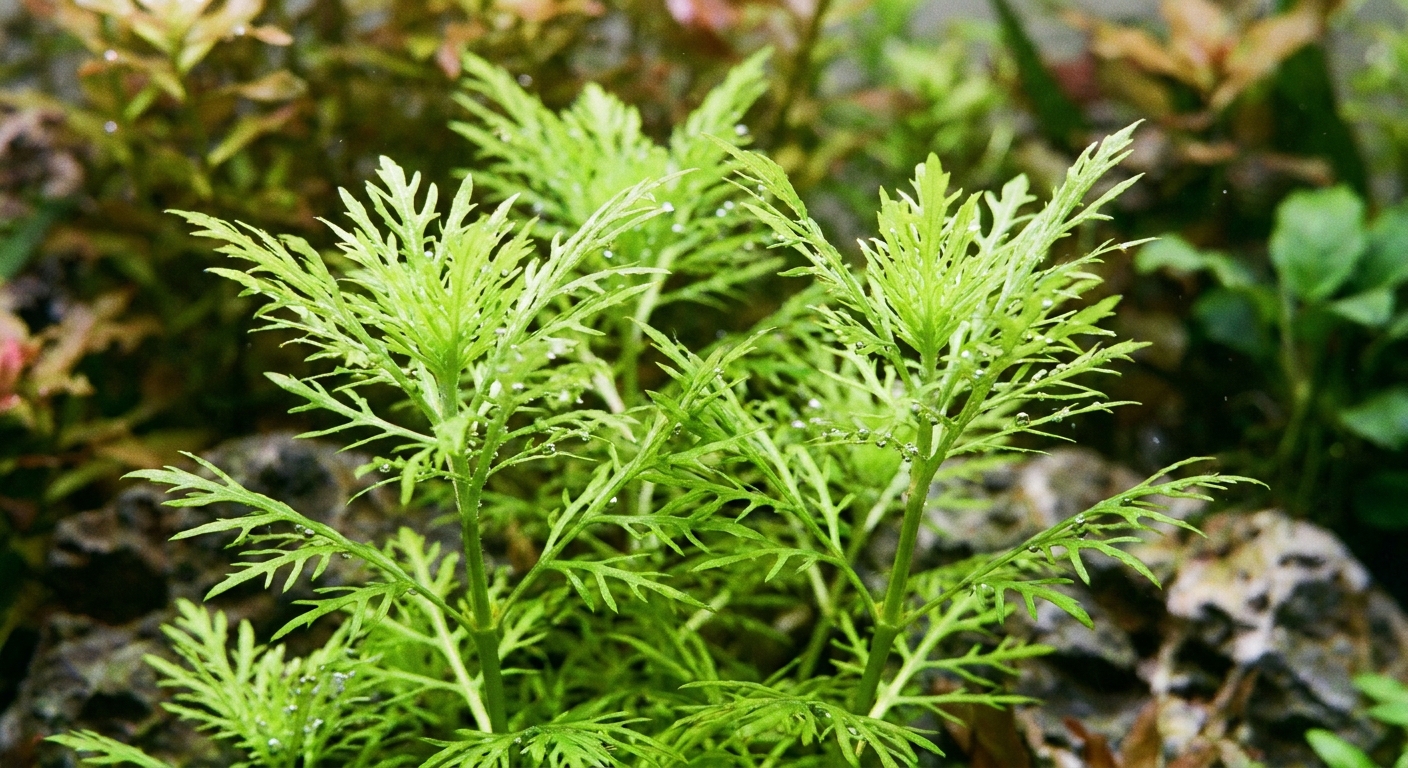
1) Water Wisteria (Hygrophila difformis)
Water Wisteria is one of the friendliest “new tank stabilizers”. It grows fast, tolerates a wide range of conditions, and can be planted in the substrate or even floated temporarily to speed up nutrient uptake.
- Why it helps: Rapid growth, big leafy biomass, and strong water-column feeding.
- Placement: Midground to background. Use it to fill space quickly while the layout matures.
- Care notes: Trim tops and replant cuttings. It can shed older leaves if conditions change suddenly, so keep lighting and fertilizing consistent.
2) Hornwort (Ceratophyllum demersum)
Hornwort is a classic new-tank helper because it grows quickly and does not need to be rooted. Many hobbyists find it especially useful during algae-prone startup weeks. You can float it early on, then remove it later if you do not love the look.
- Why it helps: Very fast nutrient uptake from the water column, especially when floated near the light.
- Placement: Best floated or loosely anchored.
- Care notes: It can drop needles when stressed. Gentle handling and stable parameters help.
3) Hygrophila corymbosa (Temple Plant)
Hygrophila corymbosa is sturdy, adaptable, and grows into a bold background plant with broad leaves that can quickly turn a bare tank into a planted aquarium.
- Why it helps: Strong, steady growth that keeps pulling nutrients week after week.
- Placement: Background. Great for hiding equipment.
- Care notes: Trim and replant tops. If it gets leggy, adjust light intensity, photoperiod, or increase plant mass so it is not trying to stretch to the surface.
4) Hygrophila polysperma
If your goal is simply to stabilize a new tank fast, Hygrophila polysperma is a powerhouse. It grows quickly, branches easily, and forms dense thickets with regular trimming.
- Why it helps: Fast growth even in modest setups, easy propagation, and dense mass.
- Placement: Background or side walls for quick fill.
- Care notes: Trim often. It can dominate smaller aquascapes if left unchecked.
- Quick caution: This plant is restricted in some regions because it can be invasive. Check local rules before buying, and never dispose of trimmings outdoors.
5) Brazilian Pennywort (Hydrocotyle leucocephala)
Brazilian Pennywort is a wonderfully flexible plant. It can be planted, trained across hardscape, or floated. In new tanks, floating pennywort can act like a nutrient vacuum while you decide where you want it long-term.
- Why it helps: Quick water-column feeding, fast node-by-node growth, easy trimming.
- Placement: Midground accents, background vine, or floated.
- Care notes: Provide enough nutrients. If growth stalls, algae often gets an opening.
6) Guppy Grass (Najas guadalupensis)
Guppy Grass grows fast and forms a fine, bushy tangle that is especially helpful in early tanks. It is also shrimp-friendly habitat, catching tiny food particles and building that cozy jungle feel.
- Why it helps: Fast uptake, huge surface area, easy to thin and remove.
- Placement: Floated, tucked behind hardscape, or gently anchored.
- Care notes: Thin regularly so it does not block all flow and light.
7) Rotala rotundifolia
Rotala is a stem plant that can be both practical and beautiful. It grows quickly in good conditions and trims into neat, fluffy bushes. In a new tank, it helps consume nutrients while also setting you up for a clean aquascape later.
- Why it helps: Fast growth once established and easy replanting after trims.
- Placement: Background, especially behind focal hardscape.
- Care notes: Likes consistency. If you want stronger color, that usually requires stronger light and balanced nutrients, not starvation.
How to use stems in a new aquarium
Plant heavier than you think
For the first month, it is completely fine to “overplant” with fast stems. Think of them as your green clean-up crew. Once the tank is stable, you can thin them and transition to slower, detail plants.
Float some stems at first
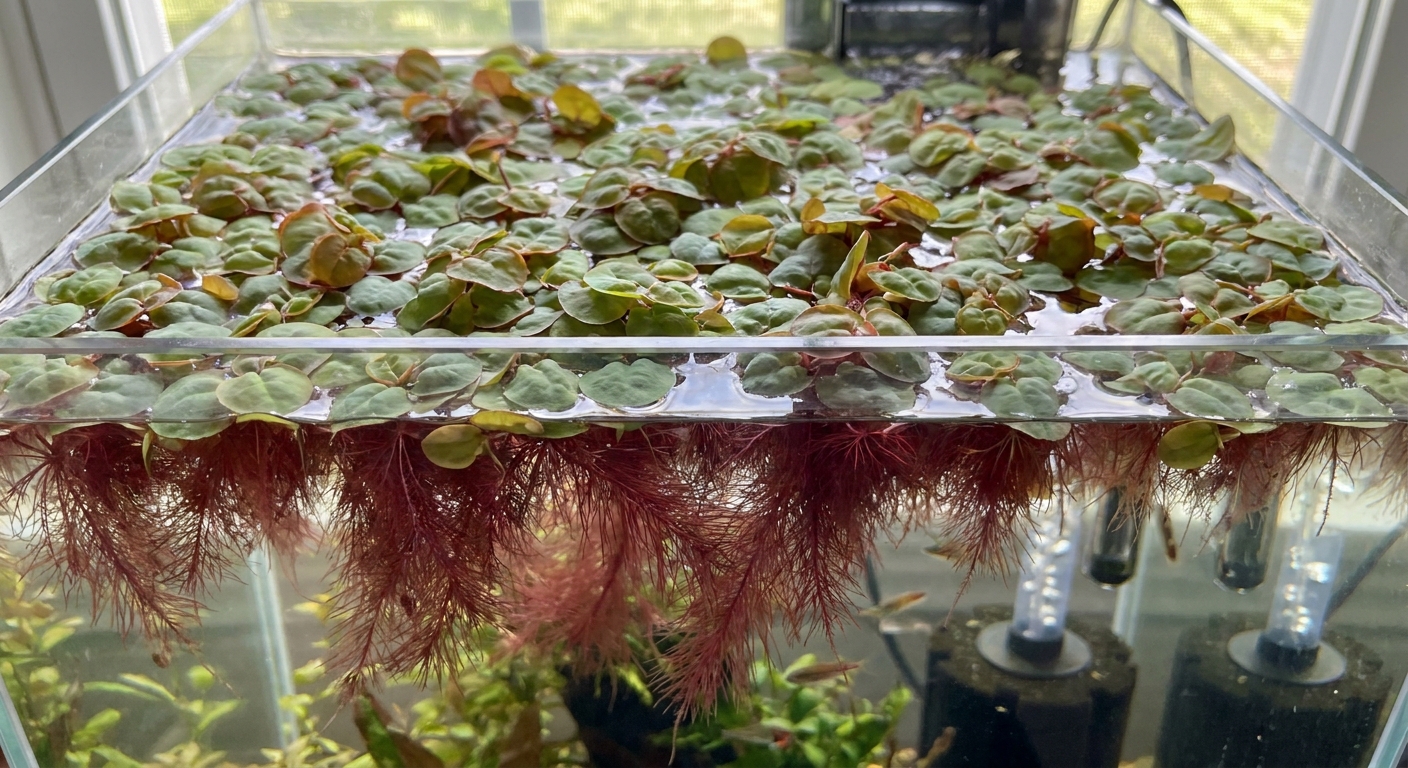
Floating plants and floating stems get intense light and direct access to water-column nutrients. That often means faster growth and better odds of staying ahead of early algae. Hornwort and pennywort are especially useful here.
Trim early, replant often
Trimming is not just for shape. It is nutrient export. When stems reach the surface, trim the healthiest tops and replant them. This keeps growth vigorous and prevents the shaded lower portions from deteriorating.
If you want a simple trimming rhythm, Verdant Aqua has a full guide here: How to Propagate Aquarium Stem Plants.
Keep the photoperiod gentle
In a new tank, blasting strong light for long hours is an algae invitation. A simple starting point is a 6 to 7 hour photoperiod, then increase by 30 to 60 minutes per week only if plant growth is steady and algae is staying calm.
Do not starve the tank to fight algae
A common new-tank trap is cutting fertilizers to “starve algae.” Fast stems need nutrients to win the race. In weeks 1 to 4, aim for light, consistent dosing rather than big swings. Pair that with regular water changes and you usually get a smoother startup than with zero-nutrient panic mode.
Quick buying and planting tips
- Start clean: Rinse stems gently and remove damaged lower leaves before planting.
- Plant in small groups: Instead of one thick bundle, split into multiple stems and space them slightly. This improves flow and reduces rot at the base.
- Anchor properly: Push stems deep enough to hold, but do not crush the nodes. Many stems root from nodes.
- Expect an adjustment phase: Some stems grown emersed will shed older leaves underwater while new growth adapts.
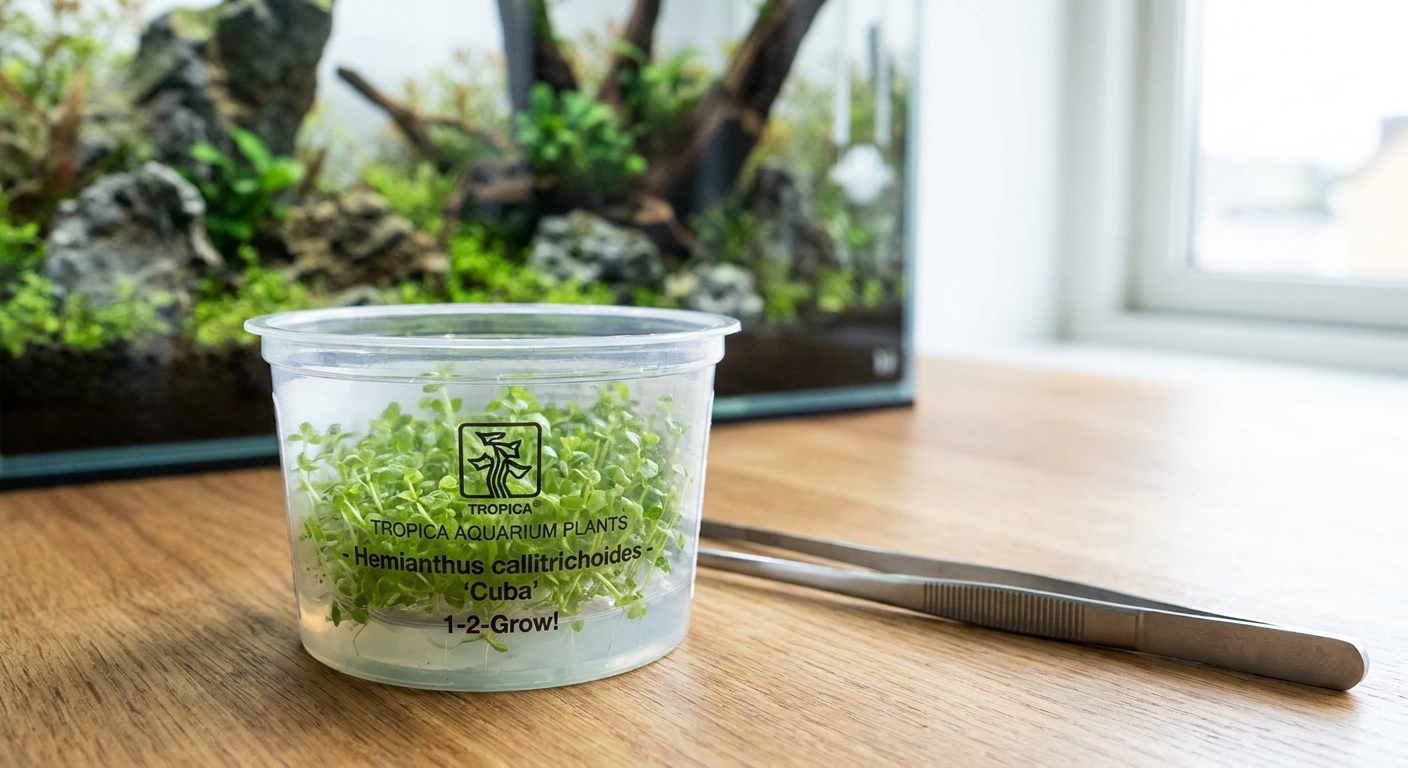
Choosing between tissue culture and potted bunches can also change the early algae story. This breakdown helps: Tissue Culture vs Potted Aquarium Plants.
If algae is still surging
Fast stems are powerful, but they cannot fix everything alone. If algae is still taking off, one of these is usually involved:
- Too much light: High intensity or long duration before plants are growing strongly.
- Low plant mass: Not enough total biomass to compete yet.
- Inconsistent maintenance: Skipping water changes in the early weeks can let organics build up.
- CO2 instability: If using CO2, inconsistent levels can stall plants and invite algae.
For step-by-step fixes, visit Maintenance & Troubleshooting.
Dispose of trimmings responsibly
Fast growers spread fast for a reason. Do not dump trimmings into ponds, lakes, or storm drains. Bag and trash them, or fully dry or freeze them first before disposal. This matters even for “easy” plants like hornwort, since small fragments can survive and travel.
Stem plant FAQ
How many fast-growing stems should a new tank have?
Enough that the aquarium looks “planted” from day one, not sparsely decorated. In practice, that often means packing the background and at least one side with fast stems, then leaving open space only where you want your main hardscape and focal point to shine.
Do I need CO2 for these plants to help with algae?
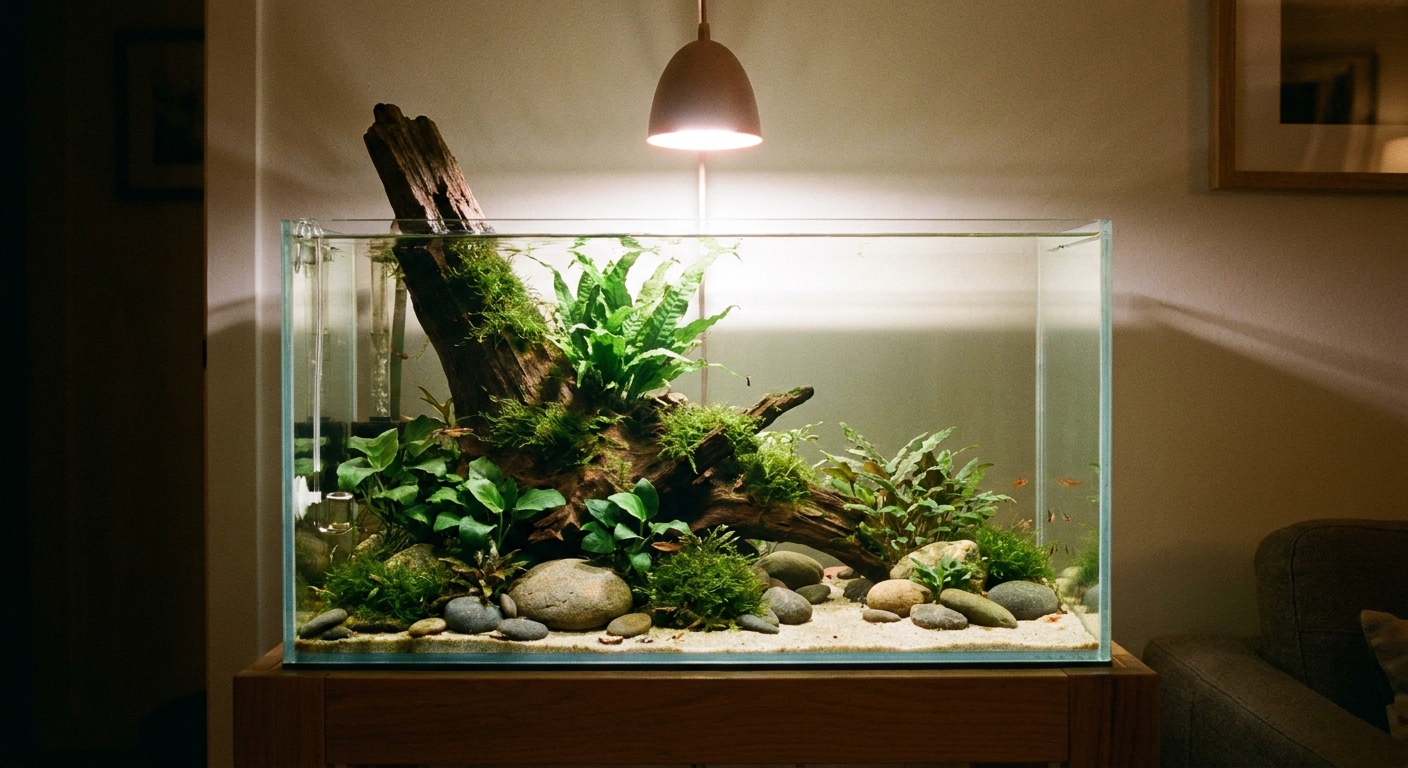
No. Many of the best algae-competing stems do well without CO2, especially Water Wisteria, Hornwort, pennywort, guppy grass, and several Hygrophila species. If you are building a simpler setup, this pairs nicely: Low-Tech Planted Tank Design Without CO2.
Should I remove the fast stems later?
You can. A popular approach is to use them as “startup plants”, then gradually thin them once the tank is stable and slower feature plants have filled in. Or keep them and trim into tidy bushes for a lush jungle look.
What if my stems melt or drop leaves?
Some leaf loss can happen as plants transition from emersed to submerged growth, or when a new tank swings in nutrients and CO2. Focus on new growth at the tips. If the tips are healthy, the plant is on track. If the whole plant is failing, adjust the basics: lighting duration, consistent fertilization, and stable parameters.
A gentle game plan
If algae is trying to claim your brand-new aquarium, do not panic. Add fast-growing stems, plant densely, keep the photoperiod reasonable, and trim often. Give your plants the best chance to win early, and the tank usually settles into that calm, balanced rhythm where growth looks crisp and healthy and algae stays a minor side character.